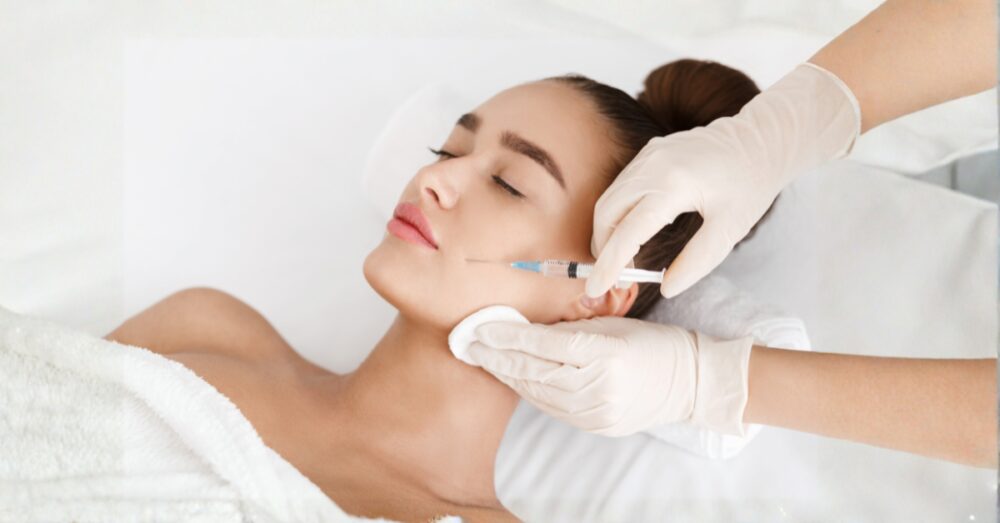
If you’ve been considering masseter Botox in Houston to soften a square jawline or relieve chronic jaw tension, you’re probably wondering how long you can expect results to last. The answer depends on several factors, but most patients enjoy visible improvements for three to four months before muscle activity gradually returns.
What Is Masseter Botox?
Masseter Botox refers to botulinum toxin injections administered directly into the masseter muscle, which is the large chewing muscle located along your jawline. This treatment temporarily blocks nerve signals to the targeted muscles, reducing muscle activity and creating a slimmer, more contoured facial profile. Beyond aesthetic benefits, masseter Botox is also effective in reducing jaw tension for patients who suffer from chronic clenching or grinding.
The procedure is non-invasive, quick, and requires minimal, if any, downtime. Most sessions last approximately 15-20 minutes.
How Does Botox Work on the Masseter Muscle?
Botox works by temporarily interrupting nerve impulses to specific facial muscles to prevent the release of acetylcholine, a neurotransmitter responsible for muscle contractions. This process temporarily relaxes the muscles, smoothing wrinkles and reducing the appearance of fine lines caused by repetitive facial movements.
For masseter treatments specifically, this same mechanism reduces the size and activity of the overworked jaw muscle. Over time, consistent treatment can lead to a more refined jawline and relief from symptoms associated with bruxism or TMJ disorders.
When Do Results Appear After Treatment?
Results from Botox injections are often noticed starting five to seven days after treatment. The effects typically activate within 3-7 days, with full effects visible in two weeks after your appointment. This gradual onset allows for natural-looking changes that won’t leave friends and coworkers wondering what you’ve had done.
Patience during this initial period is important. Your provider will have assessed your muscle movement and activity during your pre-treatment consultation to determine the appropriate dosing amount, ensuring optimal results once the product fully activates.
How Long Do Masseter Botox Results Last?
Results typically last three to four months before muscle activity gradually returns and you may notice your jawline beginning to widen again. Some patients find their results extend slightly beyond this window, particularly after multiple treatment sessions, as the masseter muscle may become trained to remain less active.
Results from Botox treatments generally last between three to six months depending on individual metabolism, muscle strength, and lifestyle factors. Maintaining your desired results requires scheduling follow-up injections before the effects completely wear off.
What Factors Influence How Long Results Last?
Several variables affect how long your masseter Botox will last:
Metabolism and age: Younger patients with faster metabolisms may process botulinum toxin more quickly, shortening the duration of results. As we age, our bodies may respond differently to neuromodulator injections.
Muscle strength: Patients with particularly strong or hypertrophic masseter muscles may require more units and could experience shorter-lasting results initially. The expertise and precision of the provider are important factors in addressing these anatomical variations.
Units required: The total number of units injected influences both the degree of muscle relaxation and how long effects persist. A typical vial of Botox contains 100 units, and different areas of the face will require different amounts.
Lifestyle habits: Continued clenching, grinding, or chewing gum can work against your treatment and reduce its effectiveness over time.
What Happens During a Botox Consultation?
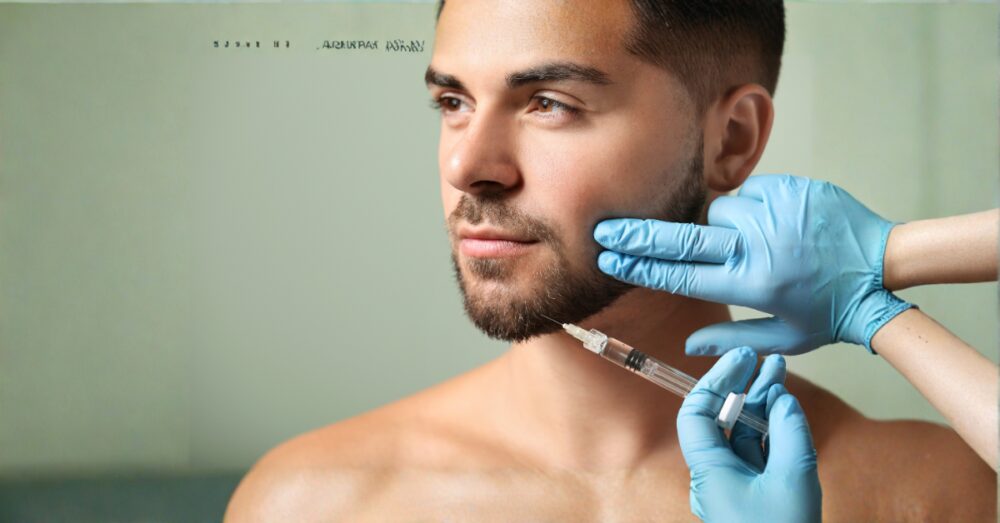
A consultation is the best way to confirm your compatibility with Botox injections. During this appointment, your provider will evaluate your facial muscles and discuss your patient’s aesthetic goals to create a customized treatment plan.
It’s important to assess muscle movement and activity during a pre-treatment consultation to determine the appropriate dosing amount for Botox. Your provider may also evaluate symptoms that may indicate the need for treatment, such as waking up with headaches from nocturnal grinding.
Who Are Ideal Candidates for Masseter Botox?
Ideal candidates for masseter Botox have a square jawline due to hypertrophy or suffer from chronic clenching that causes discomfort or pain. This treatment is particularly beneficial for patients who:
- Experience jaw tension or TMJ-related symptoms
- Desire a more oval or heart-shaped facial contour
- Want to address teeth grinding without invasive procedures
- Seek relief from chronic headaches or migraines related to jaw clenching
However, reducing muscle size with Botox may worsen existing skin laxity. Your provider will assess your skin quality during the consultation to determine if you’re a good candidate.
What Does the Treatment Process Involve For Masseter Botox in Houston?
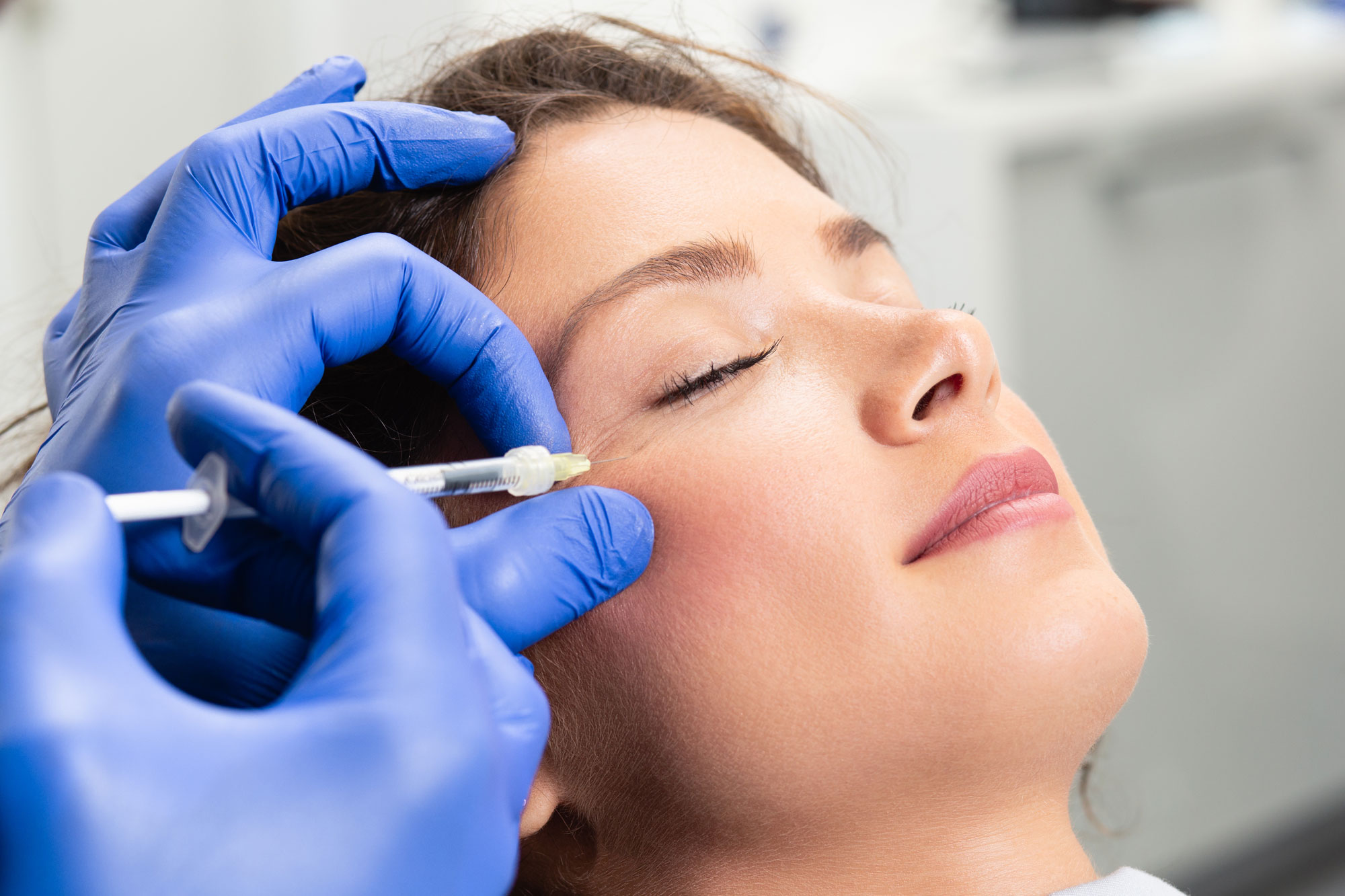
The procedure for masseter Botox is straightforward and mostly painless. A topical anesthetic may be applied to minimize discomfort, though most patients do not describe Botox injections as painful. Using a very fine needle, your provider will administer the botulinum toxin at several injection sites along the masseter muscle.
The procedure typically takes 15-20 minutes from start to finish. Patients can return to work immediately on the same day as their Botox injections, making this an excellent lunchtime treatment option.
What Should I Do After Receiving Masseter Botox?
There is minimal if any downtime after Botox treatments, but following aftercare instructions ensures optimal results. Patients are advised to avoid lying on their backs for a minimum of four hours after the procedure to prevent the product from migrating to unwanted areas.
You should also avoid engaging in strenuous activities such as exercising for at least two days after treatment. Additionally, patients are advised to discontinue any blood thinners, muscle relaxants, and other medications that may interact with Botox prior to treatment. Your provider will review your medication list during consultation.
What Are the Potential Side Effects?
Mild bruising, swelling, or irritation at the injection sites may occur after Botox injections, but these effects are temporary and typically resolve within a few days. Common side effects include headache, flu-like symptoms, eyelid or eyebrow droop, and muscle weakness, but these often resolve without intervention within two to three weeks following treatment.
Temporary side effects specific to masseter Botox may include temporary chewing fatigue or a “softer” bite as your jaw muscles adjust to reduced activity. Temporary asymmetry risks and dry mouth can occur if Botox diffuses to nearby muscles, though this is rare with experienced injectors.
Botox has an excellent safety record, and allergic reactions are rare when administered by a qualified medical provider.
What Other Areas Can Botox Treat?
While masseter Botox addresses jawline concerns, botulinum toxin can treat multiple areas of the face to smooth wrinkles and create a more youthful appearance. Common treatment options include:
- Forehead lines: Horizontal lines across the forehead caused by raising your eyebrows can be softened with strategic injections.
- Crow’s feet: These dynamic wrinkles around the outer corners of your eyes respond well to Botox treatment.
- Frown lines: Also called glabellar lines or “11 lines” between the eyebrows, these vertical bands can be smoothed with targeted injections.
- Smoker’s lines: Fine lines around the upper lip can be addressed with small amounts of Botox Cosmetic.
- Brow lift: Strategic injections can create subtle eyebrow elevation without surgery.
- Lip flip: A small amount of product in the upper lip can create the appearance of fuller lips.
Each treatment area requires different units based on muscle size and patient goals.
How Does Botox Differ from Dermal Fillers?
Patients often confuse Botox with dermal fillers, but these cosmetic injectables serve different purposes. Botox treats dynamic wrinkles caused by muscle movement by temporarily relaxing specific facial muscles. Dermal fillers, on the other hand, add volume to areas with sagging skin or static wrinkles that remain even when your face is at rest.
For facial rejuvenation, many patients combine both treatment types. Your provider can recommend the best approach based on your specific areas of concern.
What is the average cost of masseter Botox in Houston?
The cost of Botox in Houston varies depending on the number of units required and the number of areas treated. The total cost is determined based on the units needed for each intended area of treatment.
Masseter treatments typically require 30-50 units per side, depending on muscle size and desired outcome.
How Can I Maintain My Results?
You’ll need to schedule follow-up appointments approximately every three to four months. Some patients find they can extend the time between sessions after several treatments, as the masseter muscle may remain less active even as the Botox wears off.
Consistent treatment is key to achieving long-term jawline refinement. Missing appointments and allowing muscle activity to fully return can reset your progress.
Frequently Asked Questions
How long does it take to see results from masseter Botox?
Results are often noticed starting five to seven days after treatment and become fully effective after two weeks. The effects typically activate within 3-7 days, allowing for gradual, natural-looking changes to your jawline.
Is masseter Botox painful?
Most patients do not describe Botox injections as painful. The procedure is mostly painless, especially when a topical anesthetic is applied. The very fine needle used for injections causes minimal discomfort at the injection sites.
Can I exercise after getting masseter Botox?
Patients should avoid engaging in strenuous activities such as exercising for at least two days after the procedure. This precaution helps prevent the product from migrating to unwanted areas and ensures optimal results.
How many units of Botox do I need for masseter treatment?
The units required vary based on muscle size and strength. Most patients need 30-50 units per side, though your provider will assess your specific needs during a Botox consultation to determine the appropriate dosing amount.
What are the side effects of masseter Botox?
Mild bruising, swelling, or irritation at the injection sites may occur but is temporary. Common side effects include temporary chewing fatigue, headache, or flu-like symptoms. Temporary drooping or asymmetry is rare when treatment is performed by an experienced, board certified provider.
How many units of Botox is $100?
The number of units you receive for $100 depends on your provider’s pricing structure. Botox treatment costs vary by clinic, with some providers charging between $10-$15 per unit. At this rate, $100 would cover approximately 7-10 units, though pricing may differ based on the treatment area and provider expertise.
Where is the best place on your face for Botox?
The best placement depends on your specific concerns and aesthetic goals. Common treatment areas include forehead lines, crow’s feet around the eyes, frown lines between the eyebrows, and the masseter muscle for jawline slimming. Your board certified provider will assess your facial muscles during consultation to recommend the most effective injection sites for your desired results.
What is the rule of 3 in Botox?
The rule of 3 refers to treating three key areas of the upper face for balanced, natural-looking results: the forehead, the area between the eyebrows (glabellar lines), and crow’s feet. This approach ensures facial muscles work together harmoniously, preventing an unbalanced appearance where some areas appear frozen while others show wrinkles.
What does 20 years of Botox look like?
Long-term Botox use, when administered properly by qualified medical providers, can help maintain a more youthful appearance by preventing the formation of deep-set lines and wrinkles. Patients who consistently receive Botox treatments over decades often find they need fewer units over time as their muscles become trained to move less. There is no evidence that long-term use causes sagging skin or accelerated aging when treatments are performed correctly.
Schedule Your Consultation at Antiage Institute
If you’re ready to achieve a more balanced, youthful appearance with masseter Botox in Houston, the team at Antiage Institute is here to help. Our board-certified providers specialize in personalized, science-backed luxury care tailored to your aesthetic goals.
Contact Antiage Institute today at (713) 807-1000 or schedule your personalized consultation. Discover how targeted treatment can help you look and feel your best with results that typically last three to four months and require minimal downtime or recovery time.