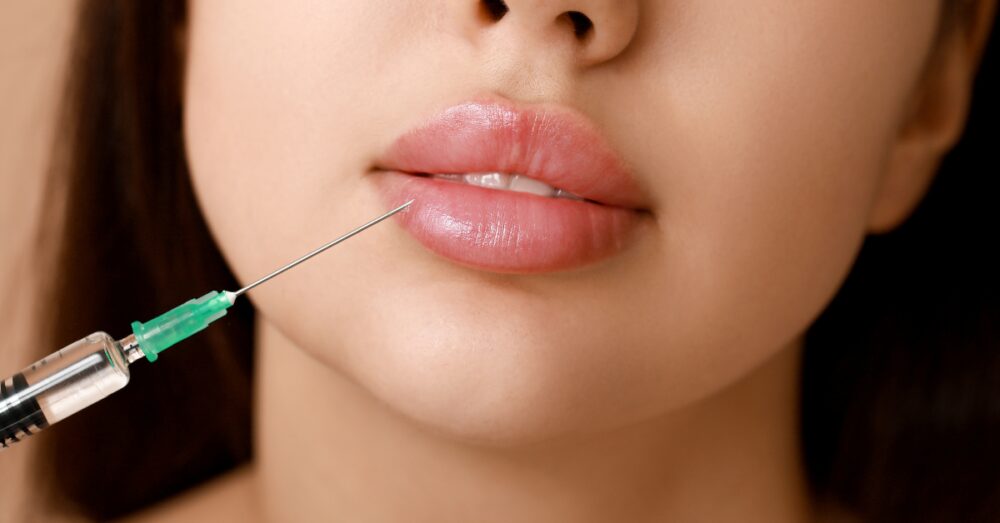
If you've been thinking about getting lip fillers, you're not alone. Lip augmentation is one of the most popular cosmetic treatments in the country, and for good reason. Whether you want to add volume, define your cupid's bow, or restore fullness that's faded over time, lip filler injections can help you achieve a natural, balanced look without plastic surgery.
But before you book your lip filler appointment, there are a few things worth understanding first. From the type of filler used to what recovery time actually looks like, knowing what to expect makes the entire experience smoother and more satisfying. Here are the key points every first-timer should know.
1. Choosing the Right Filler and Preparing for Your Lip Enhancement Procedure
The first thing to know about lip fillers is that not all dermal filler products are the same, and a little preparation goes a long way.
Types of Dermal Fillers Used for Lips
The gold standard for lip augmentation is hyaluronic acid fillers. Hyaluronic acid is a substance your body already produces naturally, which is why hyaluronic acid-based fillers integrate so well with your own tissue. They add volume, smooth fine lines around the mouth, and can define lip contour with precision.
Popular filler types in this category are FDA-approved for lip use and come in various densities, allowing your provider to customize results for the upper lip, lower lip, or both. Biostimulatory dermal filler options exist as alternatives, though for most clients seeking a fuller appearance in the lips specifically, hyaluronic acid remains the preferred choice because results are immediate and reversible.
How Should You Prepare Before Your Appointment?
Preparation starts a few days before your actual procedure. To minimize swelling and reduce the risk of bruising, you'll want to:
- Avoid blood thinners (including aspirin and ibuprofen) for at least 48 hours before treatment
- Stop taking fish oil supplements several days prior
- Pause vitamin E supplementation temporarily
- Discontinue St. John's Wort and other herbal supplements that can increase bleeding
- Talk to your prescribing physician if you take prescription anticoagulants
- Skip alcohol for 24 hours before your appointment
2. What to Expect During and Immediately After Lip Filler Injections
The second thing to know is what actually happens in the treatment room and how to care for your lips right afterward.
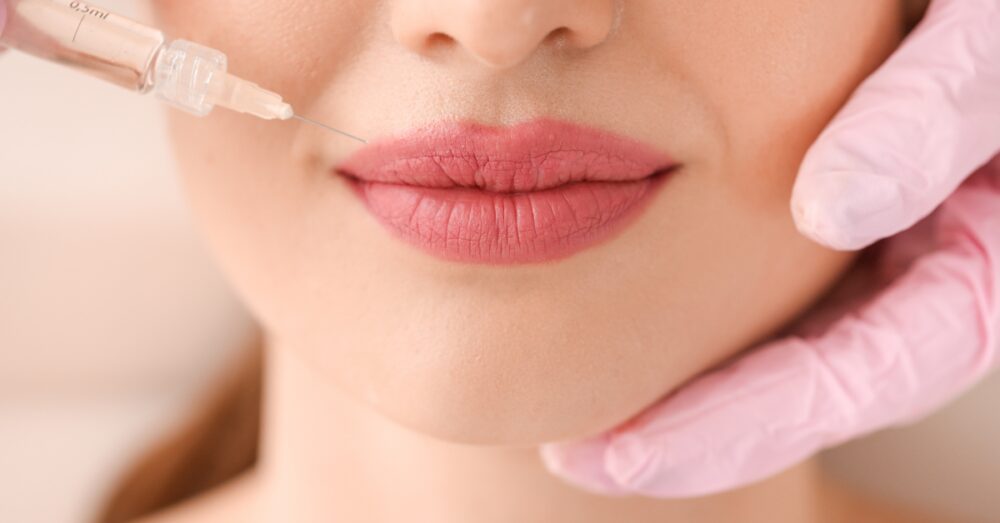
Most providers in Houston, TX apply a topical anesthetic to the lip area before starting. Some also offer a local anesthetic through a nerve block, which numbs the lips more completely. Either way, the goal is to keep you comfortable throughout.
The actual procedure typically takes 15 to 30 minutes. Your provider uses a fine needle or cannula to place the filler at specific injection site locations along the lip border, body of the lip, and sometimes just above the cupid's bow for definition. The filler is injected in small amounts, and your provider checks symmetry and shape as they go. This careful approach is what separates natural-looking results from the overfilled "duck lips" look that nobody wants.
Lip Filler Aftercare Instructions for the First 48 Hours
Following your lip filler aftercare instructions closely helps you heal faster and get the best final result. Apply ice to the area for 10 to 15 minutes at a time during the first day to reduce swelling. Keep your head elevated when resting, especially that first night. Swelling and bruising are completely normal and typically resolve within a few days.
Avoid strenuous exercise for at least 24 to 48 hours after treatment. Don't massage or manipulate your lips unless your provider specifically tells you to. The filler needs time to settle into place.
Schedule a follow up appointment about two weeks after your lip filler appointment. This gives your provider a chance to assess results once the swelling subsides and take photos for documentation. If you need a small adjustment or more filler, this is the ideal time.
Tips for Your First Treatment
If this is your first treatment, start small. A conservative volume lets you see how your lips respond and gives you room to add more filler later. Most clients find that a gradual approach leads to results they love.
Bring reference photos to your appointment. Showing your provider pictures of the lip shape and fullness you're drawn to helps align realistic expectations. Before any hyaluronic acid filler is injected, confirm that your provider has hyaluronidase on hand. This is the enzyme that can dissolve hyaluronic acid fillers if a complication arises. Any experienced injector will already have it available, but it never hurts to ask.

3. Results and Long-Term Expectations
The third thing to know about lip fillers is how long they last, what risks to watch for, and how to set yourself up for results you'll genuinely love.
Most side effects from lip injections are mild and temporary. Swelling, bruising, tenderness at the injection site, and slight redness are all within the normal range. Most side effects resolve on their own within a week.
How Long Do Lip Fillers Last?
Hyaluronic acid lip fillers typically last between 6 and 12 months, depending on the specific type of filler used, your metabolism, and how your body processes the product. You'll notice your final result once the initial swelling subsides, usually within two weeks.
Spacing your treatments allows for gradual enhancement, which looks more natural over time than trying to achieve too much filler in one session. Have an open conversation with your provider about facial balance and proportion. The best results come from a plan that considers your entire face, not just the lips in isolation.
Too much filler placed too quickly can compromise the lip contour you're going for and lead to a look that feels unnatural. A subtle enhancement approach, built over multiple visits, is what most clients end up preferring.
Frequently Asked Questions About Lip Fillers in Houston
How long after lip filler can I wear lipstick or use lip products?
Most providers recommend waiting at least 24 hours before applying lipstick, lip balm, or other lip products to the treated area. This gives the injection sites time to close and lowers the chance of introducing bacteria. Once that window passes, you can return to your normal routine.
Can lip filler help with facial wrinkles around the mouth or just add volume?
Lip filler is primarily designed to add volume and define shape, but certain filler types can also soften facial wrinkles and fine lines around the lip border. If lines around the mouth are your main concern, your provider may suggest complementary treatments for the best outcome.
What does a lip lift do differently than lip filler?
A lip lift is a surgical procedure that shortens the space between the nose and the upper lip, creating a more visible lip surface. Lip filler, on the other hand, adds volume and shape without plastic surgery. The two address different concerns, and your provider can help you determine which approach suits your goals.
How do I know if I've had too much filler over time?
Signs of too much filler include lips that look disproportionate to the rest of your face, a stiff or unnatural texture, or difficulty with certain facial expressions. If you're concerned, talk to your provider about dissolving some of the product with hyaluronidase to restore a more balanced appearance.
Should I drink plenty of water before and after my lip filler appointment?
Yes. Staying well hydrated helps your skin stay supple, and since hyaluronic acid naturally attracts water, drinking plenty of water before and after treatment may support how the filler settles. It won't change your results dramatically, but good hydration is always a plus for your skin overall.
Book Your Lip Filler Consultation at Antiage Institute
If you're ready to explore what lip filler can do for you, the team at Antiage Institute in Houston, TX is here to help. Our licensed providers take the time to understand your goals and create a treatment plan built around your unique features. Call (832) 430-7768 to schedule your consultation today.