If you’re standing in front of the mirror wondering how to smooth acne scars, soften fine lines, or brighten uneven skin tone, you’ve probably run into two big names: chemical peels and SkinPen microneedling. Both work, both are popular, and both can transform your skin. The chemical peel vs microneedling question really comes down to your skin type, your goals, and how much downtime you can spare. Whether you’re searching for a chemical peel or exploring microneedling in Houston, here’s a clear side-by-side so you can pick the treatment that fits you best.
At Antiage Institute, our providers customize every treatment plan so your skin gets exactly what it needs. We take time to listen, examine, and recommend the option that suits your specific skin concerns.
Key Takeaways
- Chemical peels use an acid solution to exfoliate the skin’s surface and improve tone, texture, and pigmentation
- SkinPen microneedling creates controlled micro-injuries to stimulate collagen production and reduce acne scars, fine lines, and enlarged pores
- The right choice depends on your skin type, downtime, and goals, and many clients benefit from combining microneedling and chemical peels over time
What Is a Chemical Peel and How Does It Work?
A chemical peel is a resurfacing treatment that works by removing damaged outer layers of skin using a professional acid solution. As the top layer sheds dead skin cells, healthy new skin comes through, revealing smoother skin and a more even-toned complexion.
Chemical peel treatments come in different strengths. Light or superficial peels use mild acids like salicylic acid to handle mild discoloration, dullness, and clogged pores with minimal flaking. Medium peels reach deeper layers for moderate wrinkles and pigmentation issues, while deep peels using trichloroacetic acid target severe sun damage and deeper wrinkles.
The result is improved texture, a more balanced skin tone, and a fresh, youthful appearance. Because they can be tailored to your skin type, chemical peels remain one of the most flexible tools for skin renewal.
What Is SkinPen Microneedling and How Does It Work?
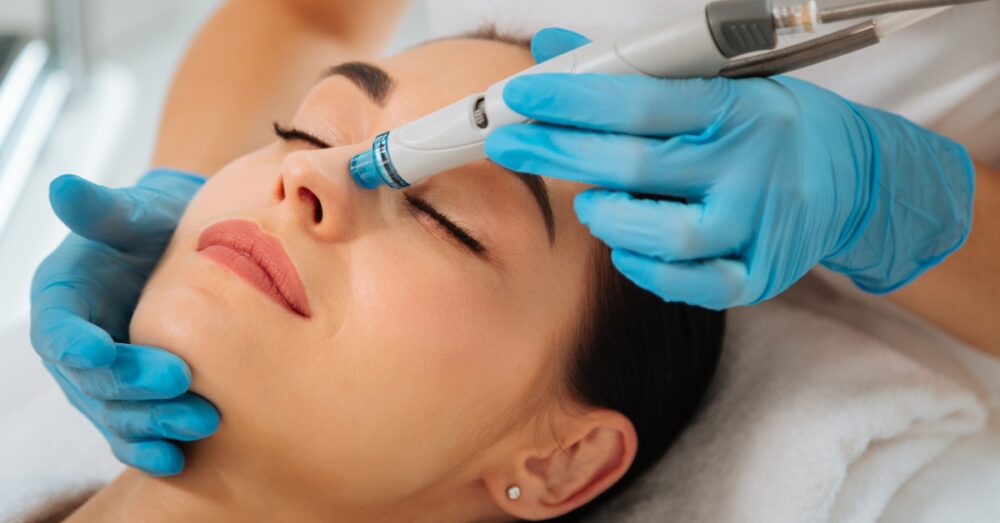
SkinPen microneedling is an FDA-cleared collagen induction therapy that uses fine sterile needles to create controlled micro-injuries on the skin’s surface. These tiny channels prompt your body’s natural healing process, which boosts collagen and elastin production over the following weeks.
As new collagen forms, skin becomes firmer, smoother, and more even. It’s a minimally invasive option that works well for acne scarring, enlarged pores, moderate wrinkles, and rough texture. According to the American Academy of Dermatology, microneedling can fade scars, uneven skin tone, and more.
Because SkinPen doesn’t rely on chemicals or heat, it’s considered safe for all skin types, including darker skin tones that can be more prone to post-inflammatory hyperpigmentation.
Chemical Peel vs Microneedling Key Differences
Both treatments improve skin quality, but they work through different mechanisms. Chemical peels shed and resurface. Microneedling stimulates and rebuilds. Here’s how they compare on the concerns clients ask about most.
How They Treat Acne Scars and Texture
For pitted scars and deep acne scarring, SkinPen usually has the edge because it rebuilds tissue from within the deeper layers. For surface texture, active acne, and post-inflammatory hyperpigmentation left behind by breakouts, chemical peels often work faster.
Many clients see the best results when microneedling and chemical peels are combined into one long-term treatment plan, spaced out over several months.
Recovery and Downtime Compared
Light peels typically cause a few days of mild redness and flaking. Medium peels involve more visible peeling for about a week. SkinPen microneedling usually produces mild redness similar to a light sunburn for one to three days, with little to no peeling.
If your schedule can’t handle visible flaking, microneedling may fit better. If you want deeper resurfacing in fewer sessions, a chemical peel could be the right call.
Which Skin Concerns Does Each Treatment Address?
Both options address multiple concerns, but each has strengths. Here’s a quick side-by-side of what they do best:
- Chemical peels work well for: uneven skin tone, sun damage, dull skin, mild discoloration, clogged pores, fine lines, and active acne
- SkinPen microneedling works well for: acne scars, enlarged pores, moderate wrinkles, rough texture, mild skin laxity, and overall skin quality
- Both can improve: fine lines, uneven tone, overall skin texture, and general skin improvement
Your provider will match the treatment to your specific skin concerns during a personalized consultation.
Here’s something we tell clients often: the “better” treatment isn’t the more aggressive one; it’s the one your skin actually needs. A client with rough texture and shallow scars may see faster wins from a series of SkinPen sessions than from a deep peel. A client with sun damage and uneven pigmentation may prefer starting with medium peels.
Our aesthetician team looks at your skin history, lifestyle, and downtime tolerance before recommending anything. That’s the difference between a treatment that “works” and one that truly transforms.
Can You Combine Microneedling and Chemical Peels?
Yes, and many of our Houston clients do. Framing it as microneedling vs chemical peels can miss the point since they complement each other beautifully when spaced correctly.
A common approach is alternating a light peel with a SkinPen session every four to six weeks. Peels refine the surface layer for tone and clarity. Microneedling reaches deeper layers to remodel tissue and stimulate collagen production.
Never combine them in the same session unless directed by your provider. Your skin needs time to heal between treatments to protect the healing process and your results.
Choosing Between Chemical Peel and Microneedling in Houston
When comparing microneedling vs chemical peels, ask yourself three things: What’s your main concern? How much downtime can you spare? What’s your skin type?
If you’re looking for a chemical peel in Houston to address pigmentation issues or dullness, a light or medium peel is often the starting point. If you want microneedling in Houston to soften acne scarring or improve skin texture around enlarged pores, SkinPen is a strong first choice.
What to Expect at Your Consultation
Every treatment plan at Antiage Institute starts with a personalized consultation. Your provider reviews your skin, discusses your goals, and walks you through realistic results and downtime.
You’ll leave knowing which option suits you, whether that’s a chemical peel, SkinPen microneedling, or a plan that layers both. Daily sun protection with a broad-spectrum SPF is essential afterward to protect your new skin and hold onto your results.
Frequently Asked Questions
Which is safer for darker skin tones, microneedling or chemical peels?
SkinPen microneedling is generally considered a safer starting point for darker skin tones because it doesn’t rely on chemicals or heat that can trigger post-inflammatory hyperpigmentation. That said, light peels using mild acids like salicylic acid can still work beautifully when performed by an experienced provider. During your consultation, our team will look at your skin type and history before recommending the safest and most effective plan for your unique complexion.
How soon can I wear makeup after microneedling or a chemical peel?
Most clients can return to makeup 24 to 48 hours after SkinPen microneedling, once the skin’s surface has closed and mild redness settles. After light peels, makeup is usually fine within 12 to 24 hours. Medium and deeper peels require waiting until active peeling is complete, which can take five to seven days. Your provider will give you exact aftercare timing based on the specific treatment you receive.
Can I get microneedling if I have active acne right now?
SkinPen is usually avoided over areas with active acne breakouts because the needles could spread bacteria and worsen inflammation. Chemical peels using salicylic acid can be a better first step for active acne since they help clear clogged pores and calm the surface layer. Once your breakouts are controlled, SkinPen becomes a great option for softening any acne scarring left behind. Our team will map out the right sequence for your skin.
How long do the results from each treatment actually last?
Chemical peel results generally last three to six months for light peels and up to a year for medium peels, depending on your skin quality, sun exposure, and daily skincare. SkinPen microneedling builds new collagen that continues improving skin over three to six months, with results lasting a year or longer. Maintenance sessions and consistent sun protection extend results and protect your skin’s overall appearance long term.
Which treatment feels more uncomfortable during the session?
Most clients describe SkinPen microneedling as a light vibrating sensation with mild pressure over bony areas. A topical numbing cream is applied first to keep you comfortable throughout. Chemical peels feel more like a warm tingling or mild stinging that fades within minutes as the acid solution activates. Neither treatment is considered painful, and our providers check in throughout your session to make sure the experience stays comfortable from start to finish.
Book Your Consultation at Antiage Institute
Ready to see what your skin can really do? At Antiage Institute, we’ve created a calm, luxurious space where skincare feels like a true reset, not a rushed appointment. Your personalized consultation includes a careful skin assessment, honest recommendations, and a results-driven plan built around your goals, whether that’s a chemical peel, SkinPen microneedling, or a smart combination of both.
Call us today at (832) 430-7768 to book your consultation and see why so many Houston clients trust our team for glowing, healthy, confident skin. Your best complexion is closer than you think.