Dark spots that linger long after a breakout or a summer of too much sun can feel impossible to fade. Creams help a little, but the pigment often sits deeper than a topical can reach. That is where RF microneedling for hyperpigmentation comes in, and yes, when done correctly, it can genuinely work.
The short answer is that radiofrequency microneedling combines tiny needles with controlled heat to trigger your skin’s natural healing process. That process helps break up excess melanin and evens out skin tone over a series of sessions.
At Antiage Institute, our team has spent years fine-tuning how we deliver this treatment for a wide range of skin tones. Here is what actually works, what to avoid, and what to expect if you are considering microneedling in Houston.
Key Takeaways
- RF microneedling uses controlled micro-injuries and radiofrequency energy to fade dark spots by stimulating collagen production and speeding up cell turnover.
- Most people need three to four microneedling sessions spaced about a month apart, along with daily SPF and proper aftercare to protect results.
- Darker skin tones can safely benefit from RF microneedling when device settings, provider skill, and your skincare routine are tailored to your skin type.
What Is RF Microneedling and How Does It Work on Pigmentation?
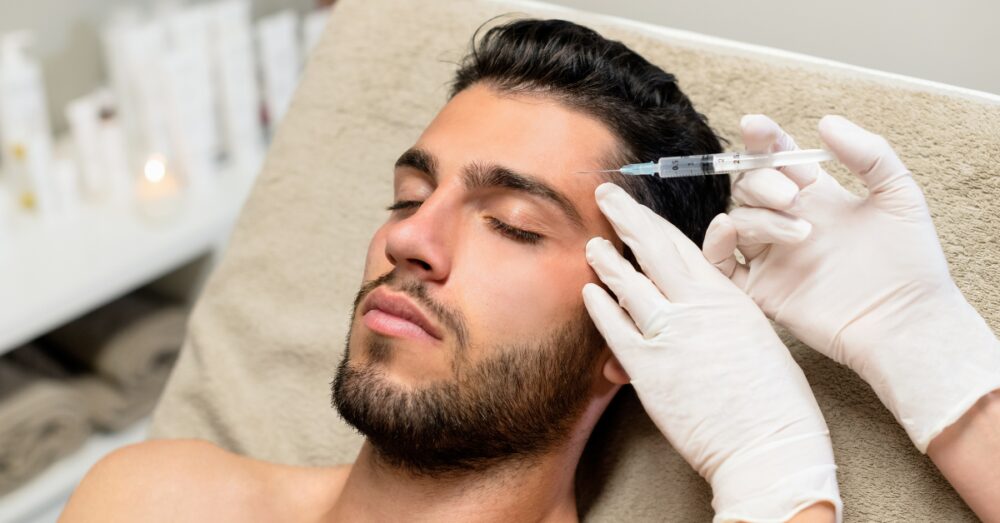
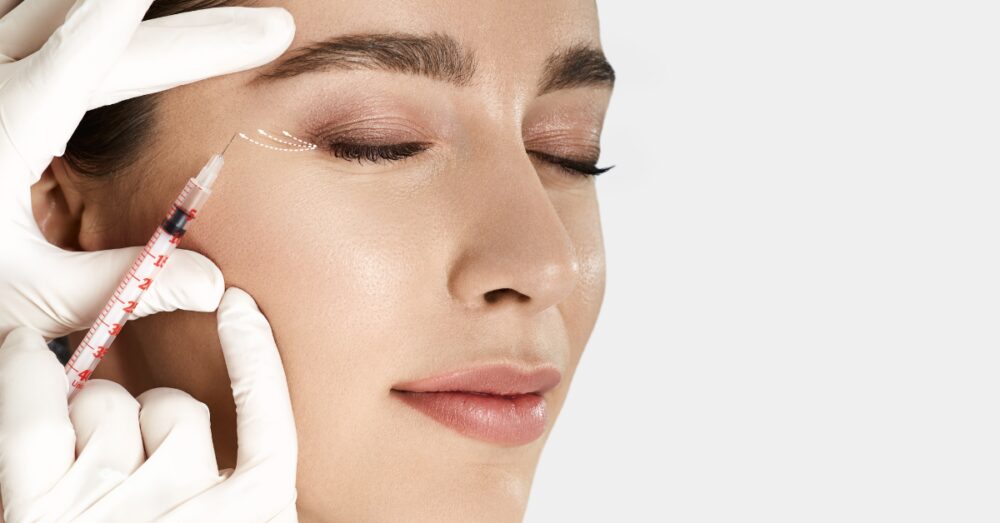
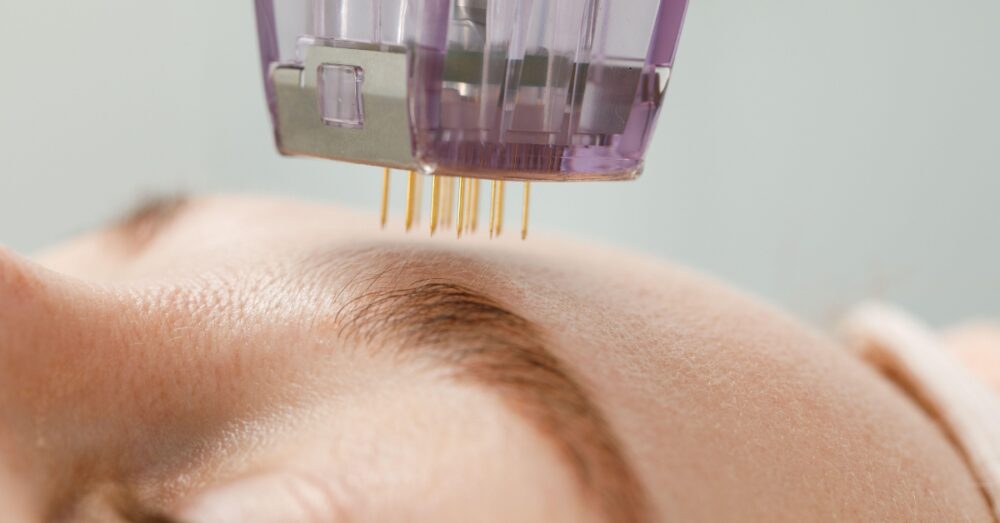
RF microneedling is a skin treatment that uses ultra-fine tiny needles to create controlled microchannels in the skin, then delivers radiofrequency energy through those needles into the deeper layers. That combination sets off the body’s natural healing response, which is what drives change in pigmentation and texture.
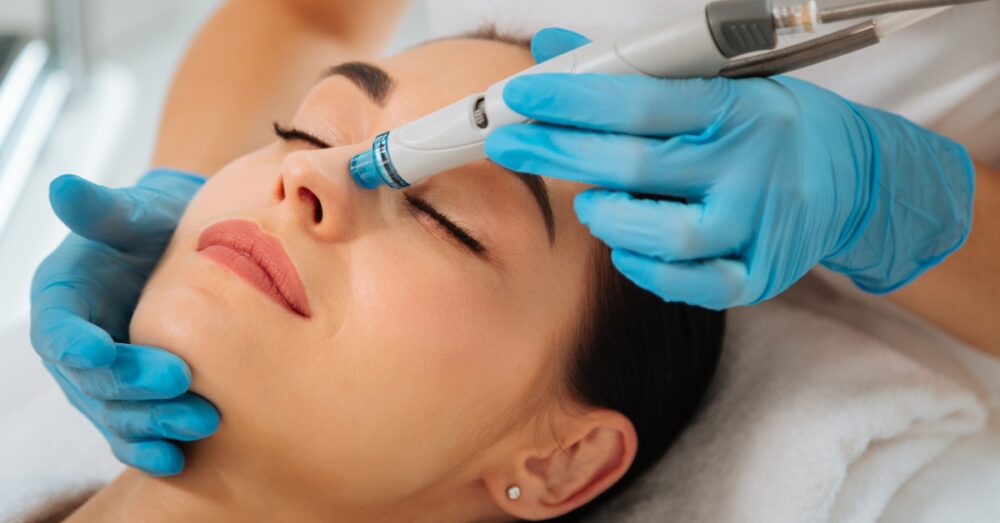
At our clinic, we use Morpheus8, an FDA-cleared device that treats at three sequential tissue depths. That means we can reach the pigment-producing cells behind dark spots without damaging the surrounding skin above them. The heat also helps disperse clumps of excess pigment, and over several sessions, this process improves skin texture and gives you a more evenly toned skin surface.
Does RF Microneedling Actually Fade Hyperpigmentation?
Yes, for most people it does, though results depend on the type of pigmentation you have and how consistently you follow the plan. Post inflammatory hyperpigmentation and sun spots respond very well to this microneedling treatment. Melasma is trickier and needs a gentler, more conservative approach.
You will usually notice softer skin texture first, followed by gradual fading of existing dark spots over the following weeks and months as collagen production increases.
One thing many first-time clients do not realize is that aggressive settings do not equal better results, especially on darker skin. Our lead aesthetician often reminds people that going slower with more sessions actually protects the skin barrier and prevents temporary darkening from turning into a longer setback.
That is the real difference between a good result and a rushed one. Patience with the process lets the natural healing process do its work without triggering more pigment.
How Does RF Microneedling in Houston Target Dark Spots?
The fading happens in two ways at once. First, the tiny needles create controlled micro-injuries that push the skin into repair mode. Cell turnover picks up, and the top layers holding old pigment shed more quickly, revealing brighter skin underneath.
Second, the radiofrequency energy reaches deeper layers where stubborn spots and pigment-producing cells sit. This stimulates collagen and elastin production while also helping disperse excess melanin so the body can carry it away. The result is a gradual, natural-looking brightening rather than a sudden change, and most clients see their most noticeable improvement about three months after their final session.
Which Types of Hyperpigmentation Respond Best?
Not every dark spot behaves the same way. Post inflammatory hyperpigmentation, or PIH, is the discoloration left behind after acne, cuts, or irritation. It responds well to RF microneedling because the treatment addresses both the pigment and the underlying skin healing at the same time.
Years of sun exposure often show up as age spots on the cheeks, chest, and hands. RF microneedling helps by breaking up surface pigment and encouraging new, healthier skin to replace what is damaged, without the harshness of some laser treatments.
Melasma is hormone-driven and needs a lighter hand. Many providers often pair very gentle settings with topical treatments like vitamin C or kojic acid to avoid making hyperpigmentation worse. Not every case is a fit, and we are always honest about that during your consultation.
Is RF Microneedling Safe for Darker Skin Tones?
Yes, and this is one of the strongest advantages of RF microneedling compared to some laser treatments. The energy travels through insulated needles rather than being absorbed through pigment on the skin’s surface, which lowers the risk of unwanted pigmentation changes on darker skin.
Still, provider experience matters. Our team adjusts depth, energy, and spacing based on how your skin responds, so treatment feels appropriate for you rather than one-size-fits-all.
For clients coming in for microneedling in Houston with deeper skin tones, we usually recommend a short pre-treatment skincare routine to prime the skin, prevent irritation, and reduce the chance of temporary darkening after a session.
What Should You Expect During Your Session?
Before we begin, we apply a topical numbing cream so the session stays comfortable. Most people describe the feeling as warm pressure with a light prickling sensation rather than sharp pain. A full face treatment usually takes about 45 minutes to an hour once the numbing has set in.
Afterward, your skin will look flushed, similar to a mild sunburn, and you may notice slight swelling for a day or two. Downtime is minimal compared to more aggressive resurfacing, which is a big reason clients keep coming back for this option.
How to Prep Your Skin and Care for It After
A little prep goes a long way toward smoother results and less irritation. In the two weeks before your appointment, we usually recommend:
- Stop strong exfoliating acids and retinoids about five to seven days before treatment.
- Avoid direct sun exposure and use daily SPF to prevent worsening dark spots.
- Keep skin hydrated with a gentle routine using hyaluronic acid and calming moisturizers.
- Skip waxing or other treatments in the area for at least a week.
- Tell us about any active acne, cold sores, or new medications during your consultation.
For the first 24 hours after treatment, treat your skin like it is recovering from a mild sunburn. Use only gentle cleansers, skip makeup, and avoid actives so your skin barrier can rebuild quietly. Vitamin C and brightening serums can usually come back after about a week, once your aesthetician gives you the green light.
How Many Sessions Will You Need to See Real Change?
Most clients see the best outcomes with three to four microneedling sessions spaced about four weeks apart. Pigmentation depth, skin sensitivity, and how consistent you are with your skincare routine all shape how fast you see change.
You may notice softer, brighter skin after the first session, but real fading of dark spots typically shows up between sessions two and three. Full results continue to build over the next few months, and a maintenance session once or twice a year helps preserve that radiant complexion.
Why Choose Us for Microneedling in Houston
Antiage Institute has been serving Houston for over 27 years, and our clinician-owned practice means every treatment plan is created and supervised by experienced providers who take your skin concerns seriously. We take time during your consultation to understand your pigmentation concerns, medical history, and lifestyle before recommending anything.
We use Morpheus8 because it is one of the most versatile RF microneedling devices available, letting us safely treat all skin types with a personalized treatment plan tailored to your goals. If you have been searching for microneedling in Houston that feels personal, careful, and results-driven, we would love to meet you.
Frequently Asked Questions About RF Microneedling in Houston
Can I combine RF microneedling with vitamin C or brightening serums for pigmentation?
Yes, and pairing treatments often gives better outcomes than either one alone. We usually have clients pause active serums for a few days around each session, then return to vitamin C, kojic acid, or other brightening serums to support the fading of existing dark spots. Your provider will build a tailored treatment plan that spaces topical creams and microneedling sessions safely, so you get the benefits without irritating healing skin or worsening dark spots.
How soon after a sunburn can I book a microneedling session in Houston?
We usually ask clients to wait at least two weeks after any sunburn or heavy sun exposure before starting RF microneedling. Treating recently sunned skin can worsen pigmentation and increase skin sensitivity in ways that set your progress back. During that waiting period, focus on gentle cleansers, hyaluronic acid, and daily SPF to calm the skin. At your consultation, we will assess your skin barrier and decide together on the safest timing.
Will RF microneedling help with dark spots on the upper lip specifically?
Yes, the upper lip is a common area for melasma and post-inflammatory hyperpigmentation, and RF microneedling can be effective there. Because that area is more sensitive, we adjust the depth and energy carefully to protect the surrounding skin. Most clients pair sessions with a gentle brightening routine at home. Results build gradually, and a tailored treatment plan usually delivers softer texture along with a more even skin tone in that specific area over time.
Can I get RF microneedling if I have active acne along with hyperpigmentation?
We generally recommend calming any active acne before starting RF microneedling. Treating over active breakouts can spread bacteria and increase the risk of new post inflammatory hyperpigmentation PIH. Once your skin is in a more stable phase, RF microneedling can help fade acne scars and dark spots left behind while also improving skin texture and overall skin health. Your provider will assess your skin at consultation and suggest the safest timing for your treatment journey.
How does RF microneedling compare to chemical peels or laser treatments for pigmentation?
Chemical peels mostly work on the surface, while some laser treatments can be risky for darker skin tones. RF microneedling reaches deeper layers using tiny needles and radiofrequency energy, which lets it treat hyperpigmentation more safely across a wider range of skin types. Downtime is also minimal compared to more aggressive options. Many clients combine other treatments over time, and we help you decide what fits your skin, budget, and pigmentation concerns best.
Ready to See Your Skin at Its Best?
Your skin deserves care that is thoughtful, personal, and grounded in real experience. At Antiage Institute, every visit is designed to feel like a true escape. From the calm, luxurious setting to the way our team listens before recommending anything, we want your time with us to feel as good as your results look.
Book your personalized consultation today and let us build a results-driven plan that fits your skin, your goals, and your lifestyle. Call us at (832) 430-7768 or visit us at 3120 SW Freeway Service Rd, Suite 400, Houston, TX 77098. Beautiful, radiant skin starts with the right team, and we would be honored to be yours.